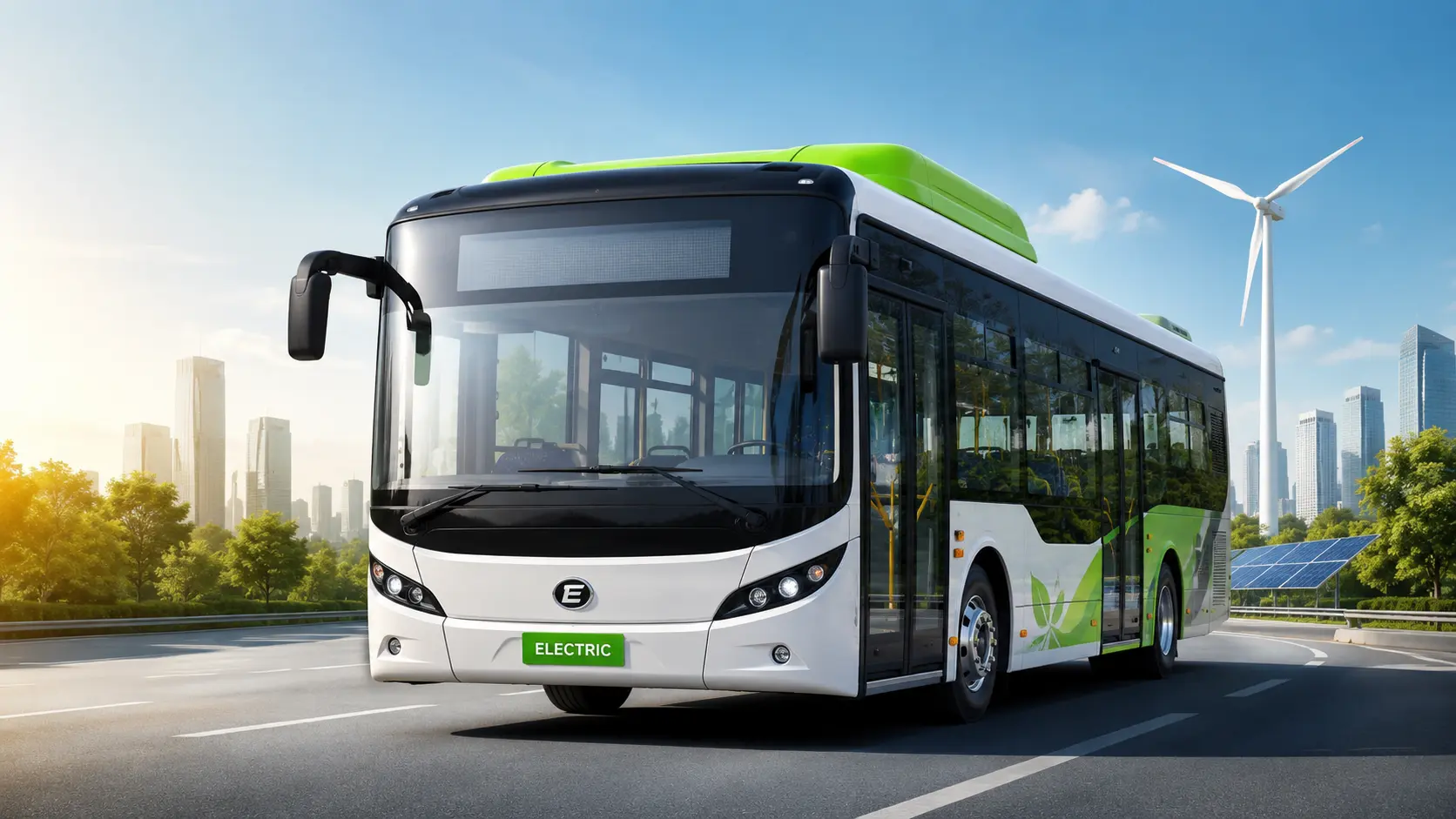
India Eyes ₹12,000 Crore Push for Private Electric Buses: A Major Shift in Public Transport Could Be on the Way
India’s electric mobility journey may soon enter a new phase. After focusing on electric two-wheelers, passenger cars, and public transport fleets, the government is now reportedly working on a large financial support program aimed at encouraging private operators to adopt electric buses.
If the proposal moves forward, it could become one of the country’s biggest initiatives to accelerate clean public transportation while reducing fuel costs and urban pollution. Instead of relying only on state transport corporations, the new approach could bring thousands of privately operated electric buses onto Indian roads over the coming years.
A New Direction for India’s EV Mission
Electric buses have already started appearing in several Indian cities, but most deployments have been led by government transport agencies.
Private operators, however, continue to face significant challenges. High upfront vehicle costs, financing difficulties, and concerns over long-term profitability have slowed adoption despite growing demand for cleaner transportation.
The proposed incentive package aims to bridge this gap by making electric buses financially more attractive for private fleet owners.
Rather than simply offering purchase subsidies, the government is reportedly exploring multiple financial support mechanisms that could reduce investment risks for businesses.
Why Private Operators Matter
India’s public transportation system extends far beyond government-owned buses.
Thousands of private companies operate buses for:
- Employee transportation
- School and college services
- Airport transfers
- Tourist travel
- Intercity routes
- Corporate shuttle services
If even a portion of these fleets transitions to electric vehicles, the environmental and economic impact could be substantial.
This is why policymakers are increasingly viewing private operators as an important part of India’s clean mobility strategy.
The Biggest Challenge Isn’t Demand—It’s Cost
Electric buses offer several long-term advantages.
They generally require lower maintenance, produce zero tailpipe emissions, and have lower running costs compared to diesel buses.
However, the biggest obstacle remains the initial purchase price.
For many fleet operators, investing in electric buses requires significantly higher capital than buying conventional diesel vehicles.
That’s where financial incentives become critical.
Reports suggest the proposed scheme could include measures such as interest subsidies, partial credit guarantees, and other financing support designed to make loans more accessible and reduce financial risk for fleet owners.
A Win for Cities Fighting Pollution
Air pollution remains one of the biggest environmental challenges facing many Indian cities.
Road transport contributes significantly to urban emissions, especially through diesel-powered commercial vehicles that operate throughout the day.
Replacing older diesel buses with electric alternatives could help improve air quality while also reducing noise pollution in busy urban areas.
Cleaner buses also support India’s broader climate commitments by lowering greenhouse gas emissions from the transport sector.
Lower Operating Costs Could Benefit Passengers
Although electric buses require higher upfront investment, they often cost less to operate over time.
Electric motors have fewer moving parts than diesel engines, reducing maintenance expenses.
Electricity can also be more economical than diesel, particularly when charging infrastructure is well managed.
If operators experience meaningful savings over the life of a vehicle, those benefits could eventually contribute to more sustainable and efficient public transport services.
Charging Infrastructure Will Be Just as Important
Introducing more electric buses is only part of the equation.
A reliable charging network will be essential for large-scale adoption.
Fleet operators need charging stations capable of supporting daily operations without causing delays or disruptions.
This means investments will also be required in:
- Depot charging facilities
- Fast-charging technology
- Power grid upgrades
- Smart energy management systems
Without adequate infrastructure, even attractive financial incentives may not be enough to accelerate adoption.
Industry Could Receive a Major Boost
India has been steadily building its electric vehicle manufacturing ecosystem.
A large-scale increase in electric bus demand could benefit several industries simultaneously.
Manufacturers of batteries, electric drivetrains, charging equipment, software platforms, and vehicle components may all experience increased business opportunities.
The initiative could also encourage further investment in domestic manufacturing under the government’s “Make in India” vision.
What It Means for Fleet Owners
For private transport companies, the proposed scheme could create an opportunity to modernize their fleets while reducing long-term operating expenses.
Businesses that depend on daily transportation services often look for predictable running costs and reliable vehicle performance.
If financing becomes easier and charging infrastructure continues to expand, electric buses may become a far more practical investment than they are today.
However, operators will still carefully evaluate battery life, resale value, maintenance support, and charging availability before making large purchasing decisions.
The Road Ahead
It’s important to note that the reported ₹12,000 crore incentive package is still under consideration and has not yet been officially approved.
If finalized, detailed guidelines will likely explain:
- Eligibility criteria
- Incentive structure
- Funding mechanism
- Application process
- Timeline for implementation
Transport companies across India will be watching these announcements closely, as they could influence fleet expansion plans for years to come.
Also Read: –
2026 BMW X6 M60i Launched in India: Luxury Coupe SUV Gets V8 Power
2026 Bajaj Pulsar NS400Z: New Engine, Features, Performance & Price
India Plans ₹12,000 Crore Scheme to Accelerate Private Electric Bus Adoption
Final Thoughts
India’s reported plan to support private electric bus adoption signals a broader shift in how the country approaches sustainable transportation. Rather than depending solely on government-operated fleets, policymakers appear to be encouraging greater participation from private operators who play a vital role in moving millions of passengers every day.
If implemented effectively, the proposed incentive scheme could help reduce pollution, strengthen India’s EV ecosystem, lower operating costs for transport companies, and accelerate the country’s transition toward cleaner mobility.
While the proposal is still awaiting official approval, it reflects India’s growing commitment to making electric transportation a practical reality—not just for public agencies, but for the private sector as well.